









What This Service Covers
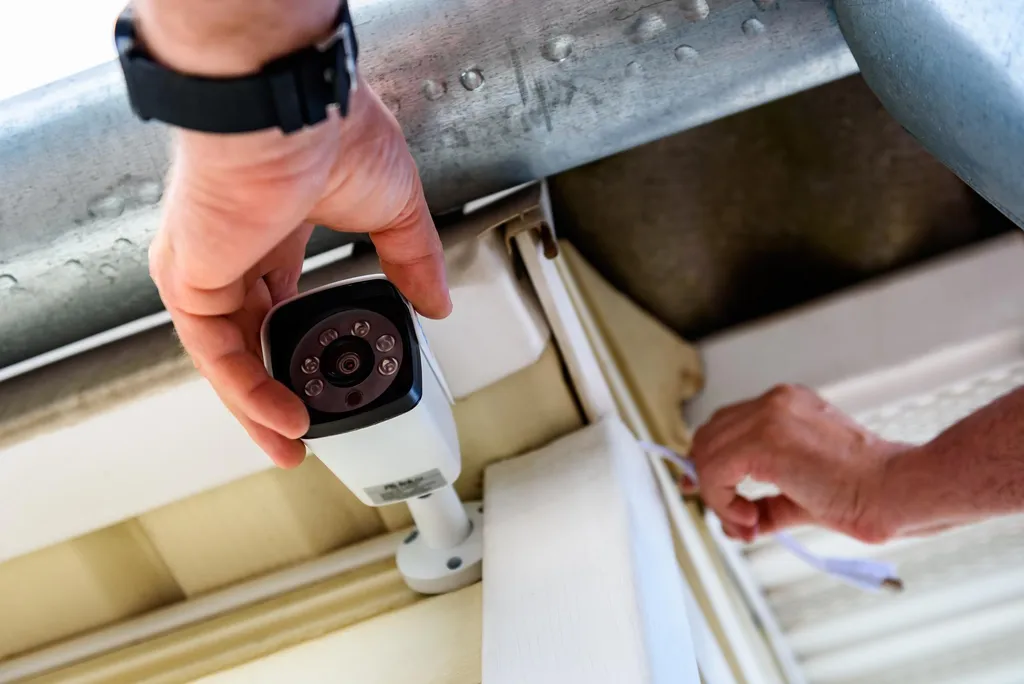
To be clear about the arrangement, because it is different from most pages on this site: here we are not selling you cameras. You already have them. We are the installer, and our job is to get the maximum out of the hardware in your box and to leave you with a system you understand and can operate.
- Full installation of a Lorex kit you purchased yourself, wired or wireless
- Camera placement planning before a single hole is drilled
- Cat6 or coax cable runs through walls, attics, soffits, and crawl spaces
- DVR or NVR setup, recording schedules, retention, and hard drive sizing
- Remote viewing on your phone, configured and tested before we leave
- Motion zone and detection tuning so alerts are useful instead of constant
- Repair, relocation, and expansion of a Lorex system already installed
- A written summary of your setup and hands on training before handover
Lorex Systems We Install and Configure
Lorex sells several distinct product families that install in very different ways, and the right approach depends on which one is sitting in your hallway. Below is how we handle each, and we confirm the specifics when we see your property and your equipment.
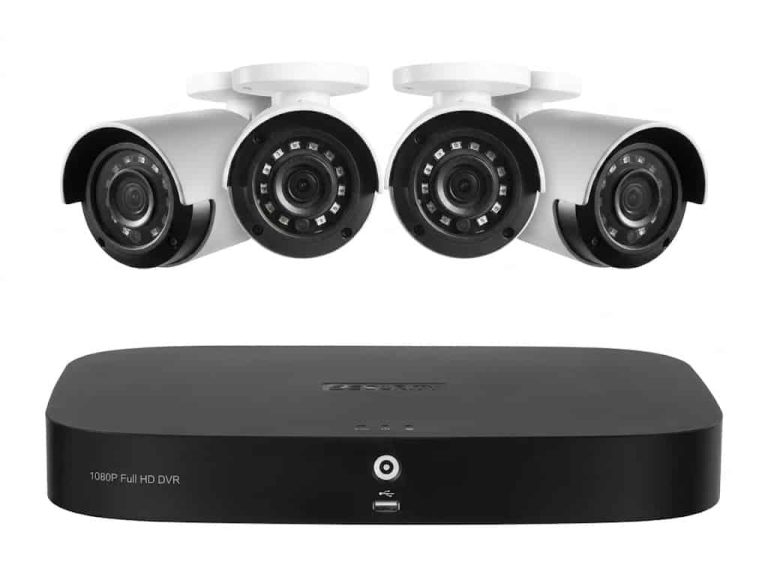
Wired DVR and NVR Kits
The wired kits, whether the analog DVR bundles or the PoE NVR systems, are the ones that most often stall a homeowner. They are also the ones that benefit most from professional installation, because the cabling is the whole job.
- PoE NVR kits: one Cat6 run per camera carrying both video and power
- Analog DVR kits: BNC and power runs, often reusing coax already in the walls
- Typical Toronto job: a semi in the east end with four cameras covering front door, driveway, side walkway, and rear yard, cable routed through the basement and up an interior wall
Wi-Fi, Battery, and Solar Cameras
The wireless models look like the easy option and usually are not, because the failure point moves from cabling to signal and power. We site them where they will actually hold a connection through the year.
- Signal testing at each proposed mounting point before mounting anything
- Honest advice on battery models, because lithium cells lose a large share of usable capacity in sustained Toronto cold and a camera that lasts three months in July may need charging every few weeks in January
- Where a location matters, we will recommend converting that one position to wired rather than leaving you a camera that dies every fortnight
Doorbells, Floodlight Cameras, and Add On Units
These involve existing electrical, which is where most self installs go wrong or get abandoned halfway.
- Doorbell installation including transformer check and chime compatibility
- Floodlight camera mounting and connection to existing exterior circuits
- Adding cameras to a Lorex recorder you already have, including channel capacity check
Existing Systems That Are Not Working
A large share of our Lorex calls are not new installs at all. They are systems installed by the owner, by a handyman, or by a previous occupant, that have stopped doing their job.
- Cameras showing offline, recorder not recording, or footage overwriting far too fast
- Remote viewing that never worked or stopped after a router or internet change
- Poorly aimed or badly mounted cameras producing footage that identifies nobody
- Storage sized wrong, so the incident you need has already been overwritten
Problems We Fix on Lorex Systems Every Week
These are the specific complaints that bring people to this page, and every one of them is a solvable configuration or placement issue rather than a fault in the hardware. Recognising your situation here is usually a good sign, because it means the fix is a service call and not a new system.
Footage That Cannot Identify Anyone
This is the most common and most expensive mistake. A camera mounted too high under a soffit records the top of a hat and nothing else. A camera aimed to cover the whole yard covers everything at a resolution that identifies nobody. We mount at heights and angles that produce usable identification at the points that matter, which is usually the approach path to a door rather than the door itself.
Night Footage Washed Out or Blinded
Infrared bouncing off a soffit, a wall, a window, or falling snow will wash out the whole frame. Cameras shooting through glass reflect their own IR straight back. Correct standoff, shielding, angle, and in some cases moving the camera outside the glass fixes what most owners assume is a defective unit.
Constant Motion Alerts
A system that alerts on every passing car and every raccoon gets muted within a week, and a muted system protects nothing. We draw proper detection zones, set sensitivity per camera, and where the hardware supports person and vehicle classification we enable and tune it.
Remote Viewing That Will Not Connect
App setup, account and device binding, router and firewall behaviour, and double NAT on some Toronto internet connections all break remote access in ways that are hard to diagnose from a manual. We configure it, test it on your phone, and make sure it survives a router reboot.
Storage Filling Too Fast
A recorder set to continuous 4K recording on a small drive can overwrite in well under two weeks, which means the footage you eventually need is already gone. We size the drive, set the recording mode, and configure retention around how far back you realistically need to look.
Lorex Installation Cost in Toronto
Because you are supplying the equipment, you are paying for labour, materials, and configuration only. Cost is driven almost entirely by cable difficulty rather than by camera count.
| Job Type | What Drives the Price |
| 4 camera wired kit, accessible routing | Basement or attic access, unfinished routing paths, standard mounting heights |
| 4 to 8 camera wired kit, finished walls | Fishing cable through insulated finished walls, patching and paint matching |
| Wireless kit setup | Signal testing, mounting, power planning, app and recorder configuration |
| Configuration and tuning only | Cameras already mounted, recorder setup, zones, retention, remote access, training |
| Repair or relocation of existing system | Diagnosis first, then cabling or remount work as required |
Every quote is fixed price and confirmed after a free assessment. We will also tell you before we start if what you bought cannot cover what you want covered, so you can return or exchange it while you still can rather than discovering it after the holes are drilled.
An Honest Note on Lorex Ownership and Security
If you have searched this brand you have probably run into the ownership question, and we would rather answer it plainly than pretend it does not exist. Lorex was founded in Markham, Ontario in 1991 and still has Canadian headquarters there. It was acquired by Dahua in 2018 and sold to Skywatch, a Taiwanese company, in a deal announced in late 2022 and completed in early 2023. Since 2019, United States federal agencies have been barred from purchasing Lorex under Section 889, and Lorex itself states its products are not intended for United States federal, federally funded, or NDAA subject contractor use. Since the sale there have been continuing allegations, including litigation brought by state attorneys general, that component and infrastructure ties to Dahua remained in place. Those allegations are contested and unresolved.
What this means practically depends entirely on who you are. For a Toronto homeowner recording their own driveway, this is a privacy consideration to make an informed choice about, not a legal barrier, and we will install and configure your system carefully either way, including isolating the cameras on their own network segment so they are not sitting on the same network as your computers and phones. If you are a business with United States contracts or funding, a condo corporation, a clinic, a school, or any organisation that may have to answer a supply chain question from an auditor, insurer, or lawyer, then this is a real procurement issue and Lorex is the wrong platform for you. In that case we will say so and point you to an NDAA compliant alternative rather than installing something you will have to replace.
When to Upgrade Instead of Installing
Sometimes the honest answer is that installing the kit you bought is not the best use of your money, and we would rather say it on this page than after you have paid for a site visit.
- If the kit is a 2MP or older analog bundle, the labour to install it properly can approach the cost of much better hardware
- If you need coverage of more area than the kit’s camera count allows, expanding a consumer recorder is often more expensive than starting correctly
- If you need licence plate capture, active deterrence, or business analytics, consumer hardware will not deliver it regardless of installation quality
- If your property is a business subject to compliance requirements, see the section above
Where a system upgrade genuinely makes sense we will show you the numbers side by side, including what your existing equipment can still be used for. Where it does not, we install what you have and leave it working.
Toronto Areas We Serve
RATA Security installs, configures, and repairs Lorex systems across Toronto and the surrounding GTA, including:
- Downtown core, Financial District, and King West
- Liberty Village, Queen West, and Kensington
- Leslieville, Riverdale, and the Danforth
- Yonge and Eglinton, Midtown, and Forest Hill
- North York, Willowdale, and Don Mills
- Etobicoke, Mimico, and The Junction
- Scarborough, Agincourt, and Birchmount
- Surrounding GTA communities on request